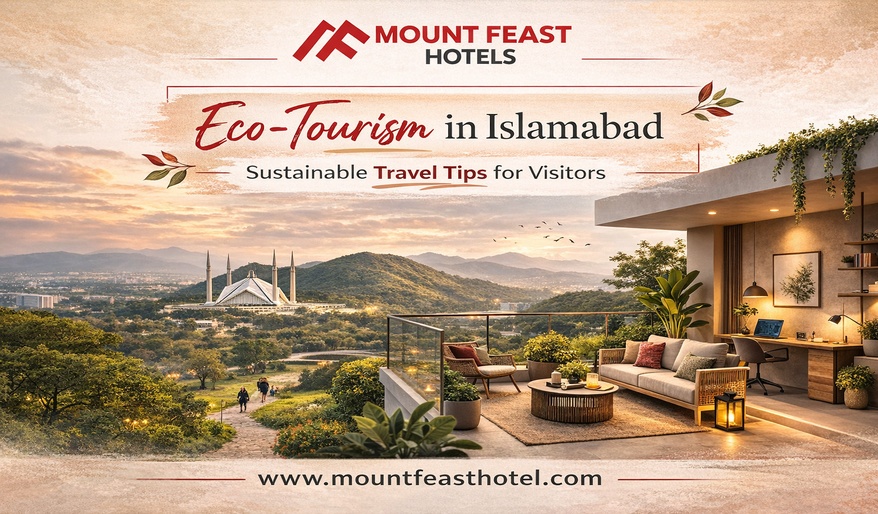
Eco-Tourism in Islamabad | Sustainable Travel Tips
3/7/2026 2:10:03 AM, By Hassan Zaib.
3/7/2026 2:10:03 AM, By Hassan Zaib.
Islamabad is often described as Pakistan’s cleanest and most
organized city, but its true charm lies beyond its wide roads and modern
planning. What makes Islamabad unique is its close connection to nature.
Forest-covered hills, protected wildlife zones, lakeside viewpoints, and public
parks exist within minutes of the city center. This is why eco-tourism in
Islamabad has become a growing interest for travellers who want more than
typical sightseeing.
However, visiting nature-rich areas comes with
responsibility. Sustainable travel is not a trend or a marketing phrase. It is
a practical approach to tourism that reduces environmental damage, protects
local ecosystems, and supports communities instead of exploiting them.
Islamabad is a city where visitors can easily travel in a sustainable way, but
only if they plan wisely and adopt simple habits during their stay.
This blog offers practical sustainable travel Pakistan tips
that help visitors enjoy Islamabad while protecting the landscapes that make it
special.
Many cities offer parks and green spaces, but Islamabad
offers something rare: a capital city that borders a protected natural reserve.
The Margalla Hills are not just a scenic backdrop. They are a living ecosystem
that supports wildlife, native plants, and seasonal biodiversity. Combined with
Rawal Lake and Islamabad’s planned green belts, the city offers an eco-tourism
experience without long-distance travel.
Islamabad also has a growing culture of outdoor activity.
Hiking, birdwatching, photography, cycling, and nature walks have become common
weekend routines for locals. This creates an environment where eco-tourism is
not forced. It feels natural.
For international tourists and domestic travellers alike,
Islamabad provides a strong starting point for sustainable tourism in Pakistan
because it offers nature, culture, and comfort within a compact area.
Eco tourism in Islamabad is not limited to hiking trails. It
includes every travel decision that influences the environment. It includes
where you stay, what you consume, how you dispose of waste, and how you behave
around wildlife and local communities.
In Islamabad, eco-tourism typically includes:
·
Hiking in Margalla Hills National Park
·
Visiting Rawal Lake and Lake View Park
·
Exploring viewpoints such as Daman-e-Koh and Pir
Sohawa
·
Birdwatching in forest zones and wetlands
·
Walking through heritage areas like Saidpur Village
·
Spending time in public parks such as Fatima Jinnah
Park
Sustainable travel becomes meaningful when visitors treat
these locations as protected spaces rather than entertainment zones.
The Margalla Hills are the most important eco-tourism
attraction in Islamabad. The hills provide forest trails, scenic viewpoints,
and a habitat for multiple species of birds and wildlife. They also serve as an
important natural barrier that protects Islamabad’s climate balance and air
quality.
Tourists often visit Margalla Hills for the views but forget
that it is a national park with an ecosystem that can be damaged by careless
tourism.
The simplest sustainable hiking rule is to carry everything
you bring. Plastic bottles, snack wrappers, tissue papers, and leftover food
are the most common forms of waste found on trails. Even biodegradable food
waste can attract wildlife and disturb natural feeding behaviour.
Visitors should carry a reusable water bottle, a small trash
bag, and snacks in reusable containers. Staying on marked trails is also
essential. Off-trail shortcuts damage plants, loosen soil, and contribute to
erosion over time.
Noise pollution is another overlooked issue. Playing loud
music or shouting disturbs wildlife and reduces the quality of the experience
for other visitors. A quiet hike is not only more peaceful but also more
respectful.
Wildlife feeding should be avoided completely. Monkeys and
other animals may appear friendly, but feeding them can lead to aggressive behaviour
and dependency on humans. This damages the natural balance of the park.
Many tourists choose the most famous trail without
considering their fitness level. When hikers struggle, they often rest in
unsafe areas, leave behind waste, or rush down carelessly. Sustainable hiking
includes choosing a trail you can complete comfortably.
Visitors who are new to hiking should select easier trails
and start early in the day. Morning hikes are cooler, safer, and reduce the
chance of overcrowding.
Rawal Lake is one of the most relaxing outdoor destinations
in Islamabad. It offers open views, fresh air, and a calm environment that
appeals to families and tourists. It is also a sensitive water zone, meaning
visitor behaviour directly affects cleanliness and environmental health.
Many tourists treat lake areas like picnic grounds and leave
disposable plates, plastic bottles, and food waste behind. This waste can
eventually enter water systems and harm the natural environment.
A low-impact visit starts with avoiding disposable items. Visitors
should bring reusable bottles and avoid buying multiple small plastic water
bottles throughout the day. If you plan to eat outdoors, using reusable
containers or purchasing food from responsible vendors reduces waste.
Visitors should avoid throwing any waste near the water edge.
Even small items such as tissue paper, wrappers, and cigarette filters
contribute to long-term pollution.
Walking and cycling are better options than driving
repeatedly around the lake area. A slow walk around the lake provides a richer
experience and reduces unnecessary fuel use.
Daman-e-Koh and Pir Sohawa are among the most visited
viewpoints in Islamabad. These areas offer panoramic views and are often
included in tourist itineraries. However, heavy visitor traffic can lead to
litter, overcrowding, and increased commercial waste.
To travel responsibly in these locations, visitors should
avoid leaving waste behind, avoid unnecessary plastic consumption, and respect
natural surroundings.
A sustainable viewpoint visit should be short, clean, and
controlled. Enjoy the scenery, take photographs, and leave the area exactly as
it was.
Sustainable travel Pakistan is not only about environmental
protection. It is also about supporting local communities and ensuring tourism
benefits residents.
Islamabad offers cultural destinations that allow tourists to
experience heritage without long travel distances. Saidpur Village is one of
the best examples. It combines traditional architecture, local dining, and
cultural identity in one accessible area.
Visitors should choose local restaurants and small businesses
whenever possible. Buying handmade crafts and traditional items supports
artisans and encourages cultural preservation. Responsible spending keeps
tourism income within communities rather than shifting it entirely to large
commercial chains.
Tourists should also avoid damaging cultural heritage areas
for photography or entertainment. Respecting historical spaces is part of
sustainability.
Transport is one of the biggest contributors to a traveller’s
carbon footprint. Islamabad offers several ways to reduce unnecessary
emissions.
Walking is possible in many central sectors, especially in
shopping and dining areas. Ride-hailing services are also a more efficient
option than renting private cars for short distances. If traveling with a
group, carpooling to Margalla Hills or Pir Sohawa reduces traffic and
environmental impact.
Tourists should also plan their itinerary by grouping nearby
attractions together. Visiting distant locations in random order increases
travel time, fuel consumption, and stress.
Sustainable travel is often simply better planning.
Plastic waste is one of the most visible environmental issues
in Pakistan. Travellers who want to practice sustainable travel habits should
treat plastic reduction as a priority.
The easiest approach is to carry a small reusable travel kit.
·
A reusable water bottle
·
A reusable shopping bag
·
A reusable container for snacks
·
Basic cutlery if needed
These items reduce dependence on disposable plastic and make
travel cleaner.
Tourists should also avoid unnecessary packaging. Buying
bottled drinks repeatedly and accepting plastic bags for small purchases
creates large amounts of waste in a short time.
Islamabad’s eco-tourism experience depends heavily on season.
Weather affects hiking comfort, air clarity, and outdoor accessibility.
Spring, especially March and April, is ideal for green
landscapes and comfortable hikes. Autumn, particularly October and November,
offers cooler temperatures and clear skies. Summer can still be enjoyable but
outdoor activities should be limited to early morning. Winter is calm and less
crowded, but evenings and early mornings can be cold near hill areas.
For visitors who want the best eco-tourism experience, spring
and autumn remain the strongest seasons.
A well-planned itinerary reduces travel waste and makes
sightseeing more enjoyable.
Start the morning with a hike in Margalla Hills. Choose a
trail suitable for your fitness level and begin early. Return before afternoon
heat, rest, and avoid unnecessary travel during peak traffic hours. In the
evening, visit Daman-e-Koh for sunset views.
Begin the day with a walk near Rawal Lake or Lake View Park.
Spend time enjoying the calm environment without leaving waste behind. Later,
explore Saidpur Village for cultural experience and local dining. End the day
with a short shopping visit to a nearby market, using a reusable bag for
purchases.
This itinerary keeps travel distances reasonable while
covering the best eco-tourism attractions.
Hotel location plays an important role in sustainable travel.
Staying far from key attractions increases daily travel time and fuel use. A
centrally located stay allows tourists to explore Islamabad efficiently and
return comfortably after outdoor activities.
Mount Feast
Hotel Islamabad offers a convenient base for visitors who want to
explore Islamabad’s eco-tourism spots, including Margalla Hills, viewpoints,
and city green zones. A comfortable stay with easy access to dining and major
routes helps travellers reduce unnecessary movement and keep their trip more
organized.
When your itinerary is built around early hikes and outdoor
exploration, having a reliable and accessible hotel improves the overall
experience.
Yes, Margalla Hills National Park is generally safe for
tourists during daylight hours. Visitors should stay on marked trails, avoid
hiking alone late in the evening, and follow Park guidelines for a secure
experience.
Islamabad offers several well-located hotels that allow easy
access to natural attractions, reducing unnecessary travel. Staying in a
central location such as Mount Feast Hotel Islamabad helps travellers plan
efficient eco-friendly itineraries.
For eco-tourism in Islamabad, pack a reusable water bottle,
comfortable hiking shoes, a reusable shopping bag, sun protection, and a small
waste bag to carry back trash from trails.
Yes, eco-tourism in Islamabad is suitable for families.
Locations like Rawal Lake, Lake View Park, and Margalla Hills trails provide
safe and enjoyable outdoor experiences for all age groups.
Eco tourism supports environmental protection, promotes local
employment, and encourages responsible travel habits. It helps preserve natural
areas while contributing to sustainable economic growth in Pakistan.
Islamabad is one of Pakistan’s strongest eco-tourism
destinations because nature is built into the city itself. The Margalla Hills,
Rawal Lake, scenic viewpoints, and cultural spaces offer visitors an experience
that is both refreshing and accessible.
But the future of eco-tourism in Islamabad depends on visitor
responsibility. Littering, wildlife feeding, plastic waste, and careless
tourism can slowly damage the environment that makes the city attractive.
Sustainable travel Pakistan is not about extreme effort. It
is about awareness, planning, and respect. Carry reusable items, reduce waste,
support local communities, and treat nature as a protected space rather than a
playground.
If you travel responsibly, Islamabad will reward you with one
of the cleanest and most scenic city experiences in the country.
Ready for a royal escape? Take a breathtaking Virtual Tour of our Executive Suite at Mount Feast Hotel Naran — where elegance meets the mountains. Glide through spacious interiors, cozy lounges, and panoramic views that redefine luxury. Your dream stay is just a click away — explore now and feel the comfort before you book!
Stay informed with the latest news, travel tips, and exciting updates from Mount Feast Hotels in Pakistan. From seasonal promotions and event highlights to travel guides and new services at our Islamabad, Naran, and Skardu properties — our blog keeps you connected. Discover everything you need to plan your perfect stay in Pakistan. Explore our latest stories and never miss an update from one of the best hotel brands in Pakistan.

Embark on a remarkable journey to discover the awe-inspiring wonders of nature by planning a Naran Tour. Nestled amidst Pakistan's picturesque landscapes, Naran Valley offers a haven of vibrant beauty that will leave you breathless. From cascading waterfalls to lush meadows and towering mountains, this hidden gem is a paradise for adventure seekers and nature lovers alike.

Nestled amidst the enchanting foothills of the Himalayas, Saif ul Malook Lake Pakistan also known as Jheel Saif ul Malook is a sight to behold. Its mystique and majesty have captivated the hearts of adventurers, nature lovers, and poets for centuries. With its crystal-clear turquoise waters reflecting the snow-capped peaks of the surrounding mountains, this natural wonder is a magnet for travellers seeking solace and serenity.

Discover the best times to visit Naran Valley with our comprehensive guide to weather in Naran Kaghan, seasonal tips, and top activities. Plan your trip today.

Discover enchanting snow-capped peaks & vibrant Naran Bazaar. Plan your stay at Mount Feast Hotel Naran. Hassle-free Naran Hotel booking online.

Mount Feast Hotel is the best 3-star Hotel in Kaghan Naran, located on the main Mansehra road. It is near Naran's well-known and well-liked tourist attractions and away from the busy city centre.

Manydomestic and international tourists visit Naran Valley every year and searchfor the best hotel in Naran. To Appreciate and marvel in the beauty that Nar

Skardu, nestled in the heart of Gilgit-Baltistan, is a haven for adventurers and nature enthusiasts alike. With its majestic mountains, serene lakes...

Are you planning a getaway to Naran Valley and want to return home with Instagram-worthy pictures that’ll make your followers swoon? This ultimate guide reveals the most iconic and hidden photography spots near Mount Feast Hotel Naran.

Discover the best layover hotel near Islamabad Airport. Stay at Mount Feast Hotel for short stays, transit comfort, and easy airport access. Book now online.

Plan a 6-night journey with Mount Feast Hotels featuring a 1-night stay in Islamabad near the airport and 5 nights across Naran and Skardu.

Explore Islamabad’s top hikes (Margalla Trails, Daman-e-Koh, Pir Sohawa) and must-see attractions. Practical tips & Mount Feast Hotel guide for your stay.
.jpg)
Discover the best family-friendly activities in Islamabad. Explore top kid-friendly attractions, parks, and tips for a perfect family vacation.

Discover the most romantic places in Islamabad for couples, from scenic sunsets to peaceful escapes, and enjoy a comfortable stay at Mount Feast Hotel.

Flying early from Islamabad? Discover a stress-free departure checklist and learn how an early morning flight hotel in Islamabad makes travel easier.

Planning solo travel to Islamabad? Discover safety tips, city highlights, and how choosing the right solo travel Islamabad hotel makes your trip confident

Looking for a hotel for business travel in Islamabad? Discover the best areas to stay, productivity tips and meeting-friendly hotels like Mount Feast.

Explore Islamabad food places for every taste; from street eats and fast food to fine dining restaurants in the city and at Mount Feast Hotel.
.jpg)
Explore top Islamabad events with this Islamabad festivals guide - Lok Mela, Eat Festival, ILF, Pakistan Day & more, plus tips on where to stay.

Explore eco-tourism in Islamabad. Learn how to travel responsibly in Margalla Hills, Rawal Lake, cultural villages & green city zones.

A practical guide to digital nomad Islamabad life: visas, SIMs, co-working, work cafes, safety, costs, and work-friendly hotels in Islamabad. Book room online

Discover the best Islamabad nightlife and evening activities for travelers. From scenic viewpoints to night markets explore what to do in Islamabad after sunset

Looking for wellness retreats in Islamabad? Discover luxury spa experiences, relaxation trends, and peaceful stay at Mount Feast Hotel for a rejuvenating escape

Explore the best shopping in Islamabad from luxury malls to traditional markets Discover top places for tourists to shop dine and experience local culture

Planning a Naran trip? Learn how to compare hotel locations, rooms, facilities, rates, reviews and booking terms before choosing the right stay.

Discover the Naran trip cost in 2026, including hotel rates, transport, food, jeep fares and sample budgets for couples and families.

Plan your Naran Kaghan trip with practical information on routes, weather, itineraries, places to visit, transport, hotels and where to stay.

Naran Kaghan Honeymoon Guide 2026 | Couple Travel Plan

Travel to Naran by Car| Route, Distance, Fuel Cost & Tips
Mount Feast Hotels offers an unmatched blend of elegance, comfort, and top-tier hospitality across its prime locations in Islamabad, Naran, and Skardu. Whether you're seeking a peaceful mountain escape or a city retreat, our luxurious rooms, in-house dining, and modern amenities promise an unforgettable stay. With exceptional customer service, stunning views, and close proximity to popular attractions, we redefine what it means to stay in the best hotels in Pakistan. Choose us for a luxury experience that feels like home, wherever you go in Pakistan.